 By Antler Bio
Unlocking the True Potential of Your Dairy Herd
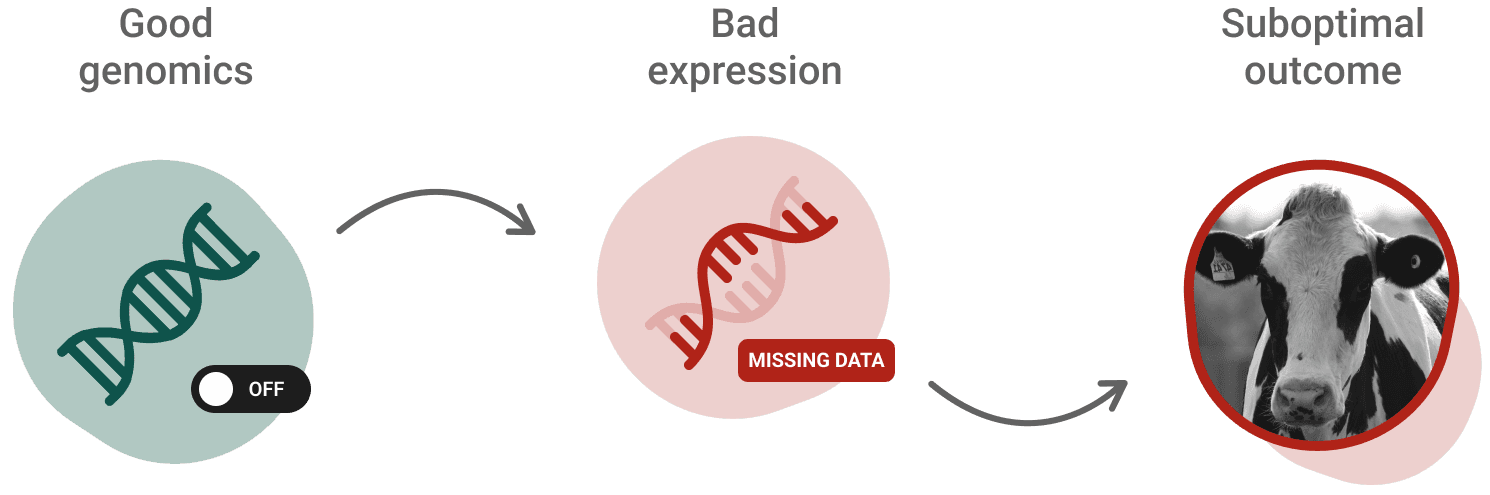
If genetics were the whole story, cows with similar genes would perform the same. But in reality some cows thrive while others struggle despite having identical genetic potential on paper. What matters is how those genes respond to feed, housing and everyday management. All things we can change and manage, and that’s where something new becomes possible.
Find out your herd's potential

What Are the Benefits for Dairy Farmers?
When you act on EpiHerd insights, results follow quickly: healthier cows, higher milk yield, better feed efficiency and fewer costly interventions.
Healthier cows. Stronger results
Healthier, more productive cows translate into stronger farm profitability. Many farms see payback within the first months and long-term returns that can exceed several times the initial investment.
More milk by understanding what drives it
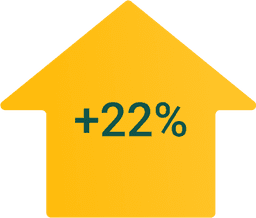
When decisions are guided by real biological insight, performance changes. Farms using EpiHerd see statistically significant increases in milk yield, with leading herds achieving up to 22% higher production.
Feed efficiency that actually shows up in results
By aligning nutrition with how cows’ biology is responding in real life, EpiHerd helps farmers get more value from the same inputs.
Fewer problems, health that lasts
Earlier, more targeted actions mean fewer emergency vet call-outs, less labour-intensive intervention and healthier cows overall. More resilient cows stay productive longer, breed better and require fewer inputs.
How EpiHerd Works
We are the first company to deliver gene expression data as a precision tool in herd management. Our data bridges the gap between genomics and the environment and is synergistic to genomic and metabolic testing.
Using advanced RNA sequencing, EpiHerd looks at which genes are active and how active they are. This isn’t traditional genetics. While traditional genetic testing tells you what could happen in the future, EpiHerd shows you what is actually happening inside your cows today.
Linking Biology to Performance
Our scientists compare gene expression in the herd’s best and worst performing cows. Thousands of genes are identified with different activity levels, many of which are known, from peer-reviewed research, to be linked to milk yield, fertility, feed efficiency, inflammation (including mastitis), metabolism and longevity.
To understand what this means in practical terms, we use gene set enrichment analysis (GSEA) to identify more than 22,000 biological pathways most affected, such as energy metabolism, stress levels or immune function.
AI-Driven Recommendations
Using our in-house AI platform, EpiHerd brings together: your herd’s performance data, gene expression data, altered biological pathways and peer-reviewed scientific literature. From this, EpiHerd generates precise, farm-specific recommendations focused on nutrition, housing and husbandry. So insights translate into decisions you can act on.
You will receive a targeted, farm-specific plan that provides clear, actionable priorities that will move your herd’s performance forward. Our team will review the report in detail with you and your network of trusted advisors to discuss results and recommendations as a group. We encourage farmers to share the results with and work alongside suppliers to successfully implement the recommended changes. By working together, insights turn into practical changes that fit your farm, your system and your goals.
Gene expression and RNA can sound complex. The good news? You don’t need to understand the science, that’s why we are here. We do the science, so you can focus on running your farm.

Sustainability for all is our mission.

Economical
Novel data and insights increases productivity and helps farmers improve profitability.

Environmental
Evidence-based agriculture improves animal welfare and reduces GHG emissions.

Societal
Resilient farming supports rural communities and produces enduring supply-chains.